
Diagnostics & Imaging in Houston, TX
Diagnostics and imaging at Lakewood Forest Veterinary Hospital help identify health concerns in dogs and cats with greater clarity and confidence. Using digital X-rays, in-house laboratory testing, and reference lab support, our veterinarians gather essential information to guide treatment decisions and ongoing care.
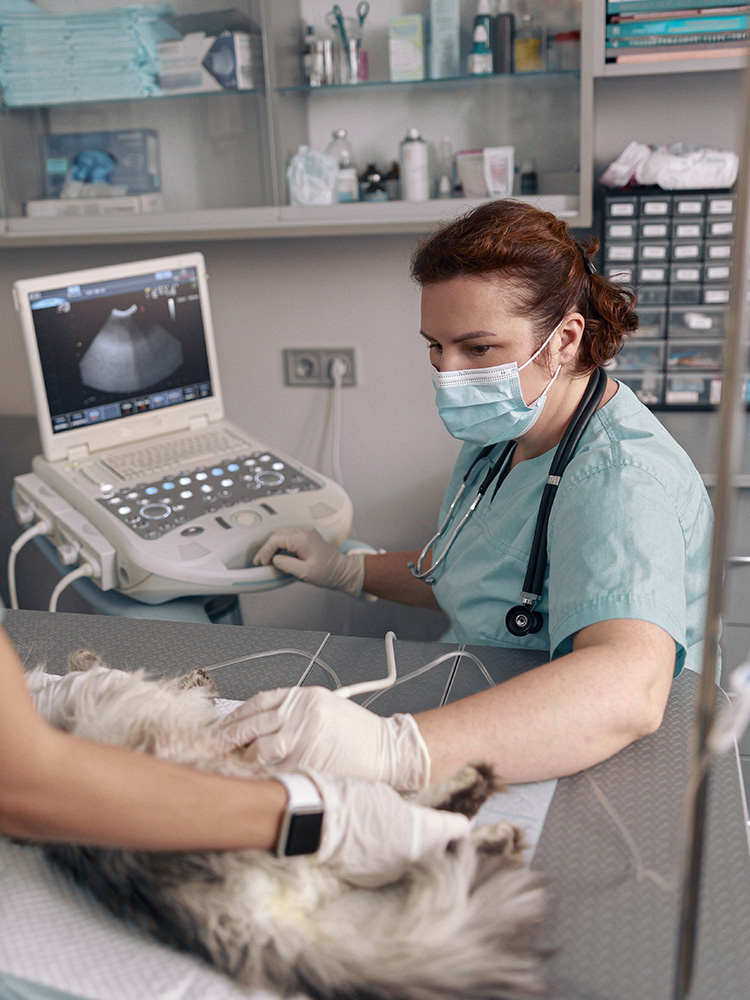
What Diagnostics & Imaging Include
When a pet isn’t feeling well—or when routine screening is recommended—diagnostic testing helps uncover what’s happening beneath the surface. At Lakewood Forest Veterinary Hospital, diagnostic services are designed to support timely, informed care without unnecessary delays.
Our diagnostics and imaging services include digital radiology (X-rays), in-house laboratory testing such as complete blood counts (CBC), chemistry panels, and cytology, along with advanced laboratory testing sent to Zoetis laboratories when additional analysis is needed. These tools allow veterinarians to evaluate internal systems, monitor trends, and confirm findings from physical exams.
Digital X-Rays (Radiology)
Digital radiographs provide detailed images of bones, organs, and internal structures to help evaluate injuries, abnormalities, or internal concerns.
In-House Laboratory Testing
On-site testing includes CBCs, chemistry panels, urinalysis, fecal testing, and cytology, allowing for timely results during or shortly after your visit.
Reference Laboratory Testing
When more advanced analysis is needed, samples are sent to Zoetis laboratories for expanded diagnostic insight.

Why Diagnostic Testing Matters
Many medical conditions cannot be diagnosed based on symptoms alone. Diagnostic testing helps veterinarians assess organ function, detect infections, evaluate masses, and identify changes that may not yet be visible externally.
Routine diagnostics also play a preventive role. Baseline bloodwork, fecal testing, and urinalysis can help detect early changes in senior pets or establish reference points for future comparisons. This proactive approach supports more personalized care as pets age.
What to Expect During Diagnostic Testing
Diagnostic testing is often recommended during wellness exams or when a pet shows signs of illness such as lethargy, appetite changes, vomiting, or unexplained weight loss. Your veterinarian will explain which tests are recommended and why they may be helpful.
Many tests require only small samples and can be performed during your appointment. Results are reviewed with you once available, along with clear explanations and next-step recommendations based on the findings.

Diagnostics & Imaging FAQs

When does my pet need diagnostic testing?
Diagnostic testing may be recommended during routine wellness visits, before surgery, or when a pet shows symptoms such as fatigue, appetite changes, digestive upset, or unexplained discomfort.
What is included in routine bloodwork?
Routine bloodwork often includes a complete blood count and chemistry panel, which evaluate organ function, hydration status, and signs of infection or inflammation.
Are digital X-rays safe for pets?
Yes. Digital radiography uses controlled imaging to evaluate internal structures. Your veterinarian will recommend X-rays only when they provide meaningful diagnostic value.
How quickly are test results available?
Many in-house lab results are available the same day. Tests sent to reference laboratories typically return within a few days, depending on the analysis required.
Do diagnostics replace physical exams?
No. Diagnostic testing complements physical exams by providing additional information that cannot be seen or felt during an exam alone.