
Veterinary Dentistry in Houston, TX
Veterinary dentistry at Lakewood Forest Veterinary Hospital provides essential oral care for dogs and cats, including professional dental cleanings and tooth extractions when needed. Our veterinarians focus on reducing oral pain, supporting overall health, and helping pet owners understand when dental care can make a meaningful difference.
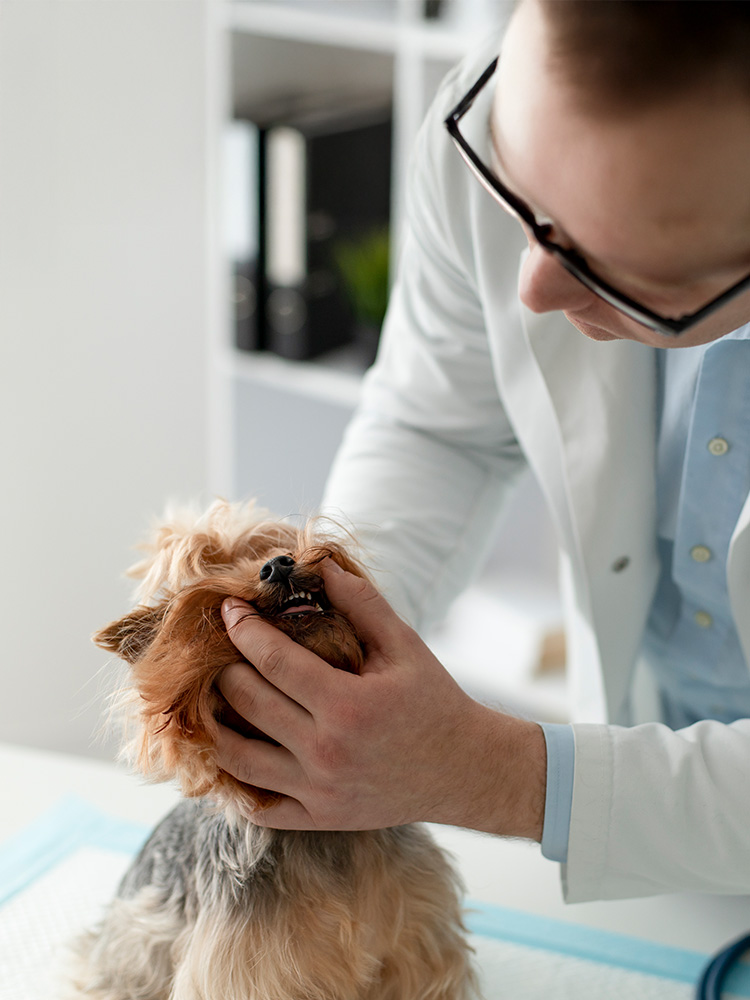
What Veterinary Dentistry Includes
Dental disease is one of the most common health concerns in pets, and it often develops quietly beneath the gumline. Veterinary dentistry is designed to address plaque buildup, gum inflammation, and damaged teeth before they lead to discomfort or infection.
At Lakewood Forest Veterinary Hospital, dental services for dogs and cats include professional dental cleanings and extractions when a tooth can no longer be saved. These services help reduce pain, improve comfort while eating, and support better long-term health. Here are some signs your pet may need dental care:
Bad breath that doesn’t improve.
Red, swollen, or bleeding gums
Difficulty chewing or dropping food
Loose or damaged teeth
Pawing at the mouth or face

Why Dental Care Is Important for Pets
Oral health affects more than just your pet’s mouth. Untreated dental disease can contribute to chronic pain and may impact other areas of the body over time. Because pets often hide discomfort, dental problems may go unnoticed without routine veterinary exams.
Regular dental care helps prevent progression of disease, supports fresher breath, and improves daily comfort. Addressing dental issues early can also reduce the likelihood of more extensive treatment later in life.
What to Expect During a Dental Visit
Before scheduling dental treatment, your veterinarian will examine your pet’s mouth and discuss findings with you. If a dental cleaning or extraction is recommended, you’ll receive clear guidance on preparation, timing, and aftercare.
Our team explains what to expect before and after the procedure so you can feel informed and prepared. Follow-up recommendations may include home care guidance and scheduling future dental evaluations as part of your pet’s preventive plan.
Lakewood Forest Veterinary Hospital offers seasonal dental specials in February and September, making it a great time to address routine dental care.

Veterinary Dentistry FAQs

How often does my pet need a dental cleaning?
The frequency varies based on age, breed, and oral health. Many pets benefit from periodic professional cleanings as recommended during wellness exams. Your veterinarian can help determine an appropriate schedule.
Why are tooth extractions sometimes necessary?
Extractions are recommended when a tooth is severely damaged or infected and cannot be treated comfortably. Removing a painful tooth often improves a pet’s quality of life and prevents further complications.
Are dental problems always easy to spot at home?
Not always. Pets commonly hide discomfort, and dental disease often progresses below the gumline. Regular veterinary exams are important for identifying issues early.
Is dental care only important for older pets?
No. Dental disease can begin at a young age. Early monitoring and preventive care can help reduce the severity of dental issues as pets age.
Can dental care be combined with other services?
Dental evaluations are often discussed during routine wellness visits. Your veterinarian may also recommend related services such as diagnostics or follow-up care based on findings.