
Veterinary Surgery in Houston, TX
Veterinary surgery at Lakewood Forest Veterinary Hospital provides soft tissue surgical care for dogs and cats when medical treatment alone isn’t enough. From spay and neuter procedures to mass removals and abdominal surgery, our veterinarians focus on thoughtful planning, clear communication, and attentive follow-up care.
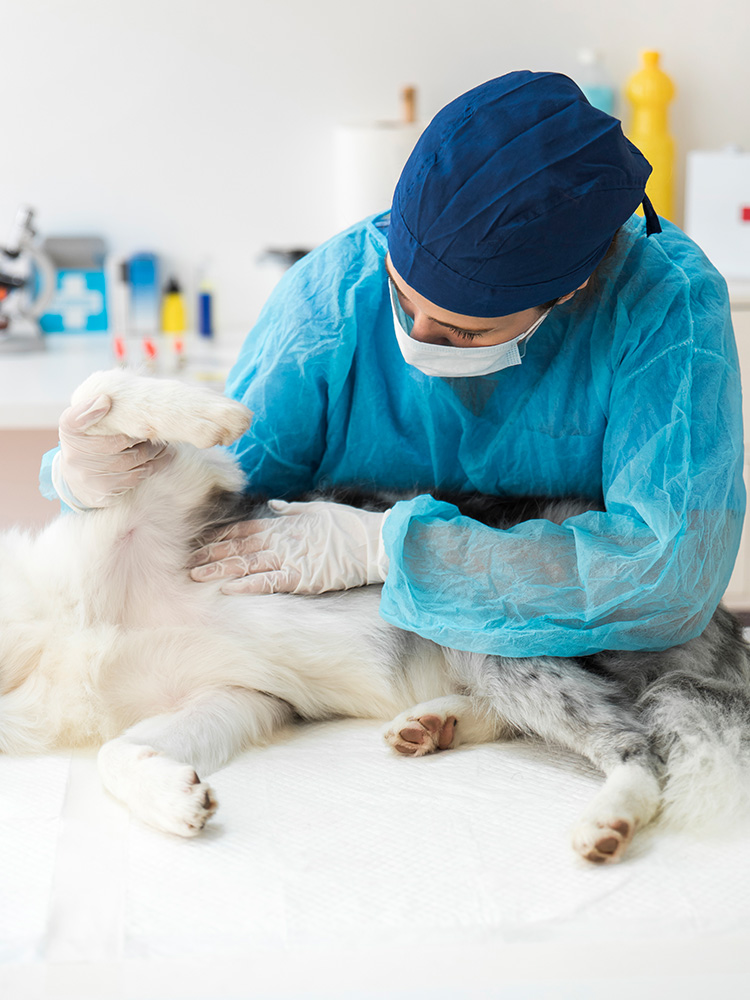
What Veterinary Surgery Involves
Surgery can play an important role in protecting your pet’s health, comfort, and quality of life. At Lakewood Forest Veterinary Hospital, surgical services are limited to soft tissue procedures that are commonly recommended in general veterinary care.
These procedures include spay and neuter surgeries, removal of masses or growths, and certain abdominal surgeries. Each recommendation is made carefully, based on diagnostic findings, your pet’s overall health, and a discussion of expected outcomes. Procedures are supported by pre-surgical evaluations and post-operative guidance to promote safe recovery.

When Surgery May Be Recommended
Veterinary surgery may be recommended for a variety of reasons, including preventive care, treatment of illness, or addressing discomfort. Spay and neuter procedures help prevent unwanted litters and may reduce certain health risks, while mass removals or abdominal surgery may be advised when growths or internal concerns affect your pet’s well-being.
Your veterinarian will explain why surgery is being recommended and discuss alternative options when appropriate, so you can make an informed decision.
What to Expect Before and After Surgery
Before surgery, your pet will receive a physical exam and any recommended diagnostic screening to help ensure they are healthy enough for the procedure. You’ll receive clear instructions on fasting, drop-off timing, and what to expect on the day of surgery.
After surgery, our team provides discharge instructions covering activity restrictions, medication use, and signs to watch for during recovery. We’re available to answer questions as your pet heals at home.

Veterinary Surgery FAQs

Is surgery always the first option for treatment?
No. Surgery is recommended only when it offers clear benefits or when other treatment options are unlikely to resolve the issue. Your veterinarian will discuss why surgery is advised and whether alternatives are appropriate.
How do I prepare my pet for surgery?
Preparation typically includes fasting before the procedure and following specific drop-off instructions. Your veterinary team will provide clear guidance before surgery day so you know exactly what to expect.
What is recovery like after soft tissue surgery?
Recovery varies depending on the procedure, but most pets need limited activity and careful monitoring for a short period. Your veterinarian will provide detailed aftercare instructions to support healing.
Will my pet need follow-up visits after surgery?
Follow-up care may be recommended to monitor healing or remove sutures, depending on the procedure. Your veterinarian will outline any follow-up needs during discharge.
Are diagnostics used before surgery?
Yes. Pre-surgical evaluations may include exams and diagnostic testing, such as lab work or imaging, to help guide surgical planning and support patient safety.